
Dispatch from Marfa
A Photo Essay
Marfa, Texas, a speck of a town adrift in the Chihuahua Desert, is difficult to get to, and even more difficult to get. Is it a thriving artist colony or a past-its-prime ranching town? Is it a creative hot spot or over-hyped celebrity redoubt? Are the famous Marfa Mystery Lights a genuine phenomenon or another Nessie, the Loch Ness Monster everybody talks about but nobody has seen?
Hoping to find answers, or at least better questions, I recently spent a week in Marfa. Rather than my usual wordsmithing, this time I thought I’d let my photos do most of the talking.
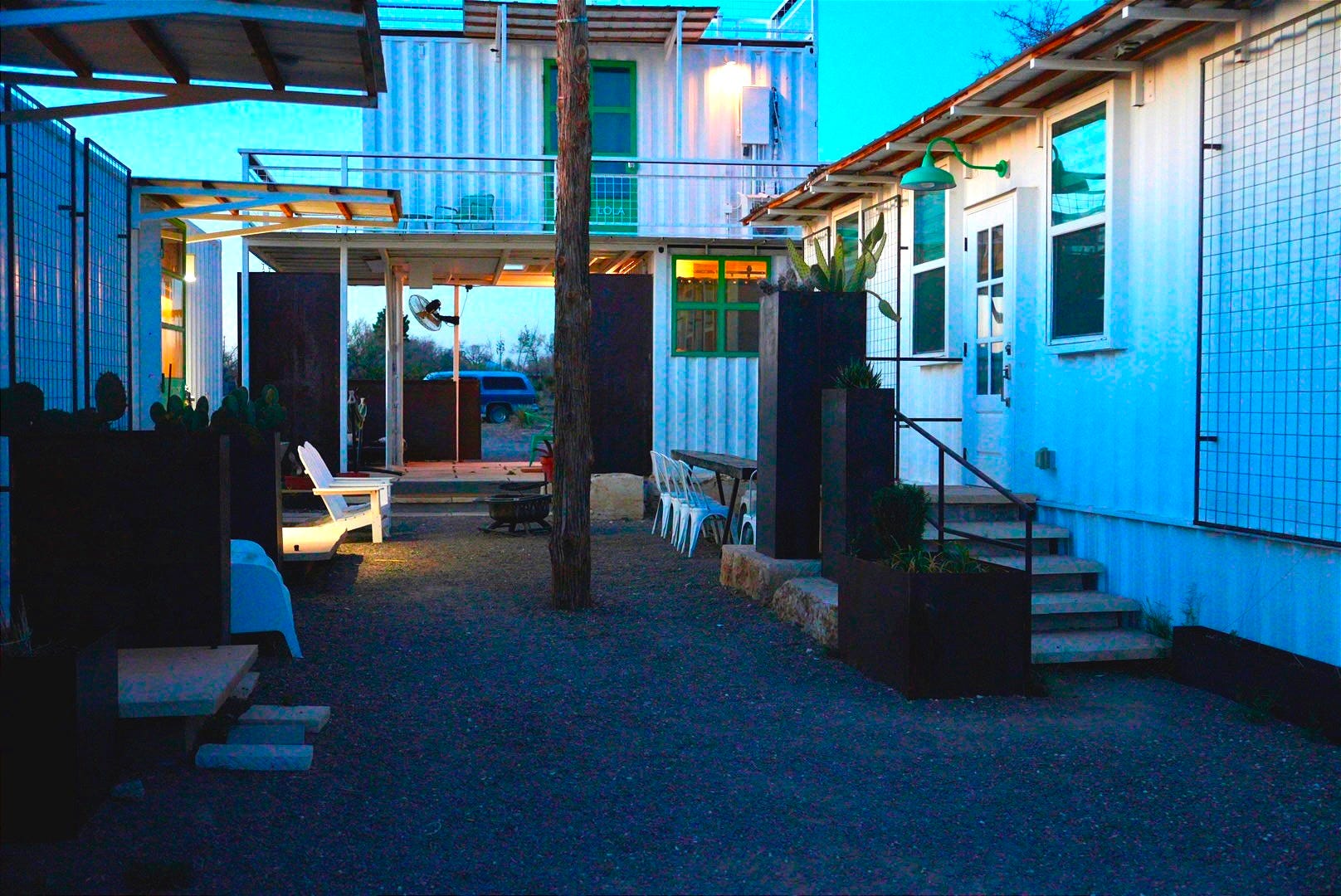
My home in Marfa: a converted shipping container. It was more comfortable than it sounds. I chose to stay here because it seemed like a Marfan thing to do. The town is forever converting the old into the new. An art gallery was once a bank, a coffee shop once a funeral home. Nothing is wasted or discarded in Marfa. Everything becomes something else.
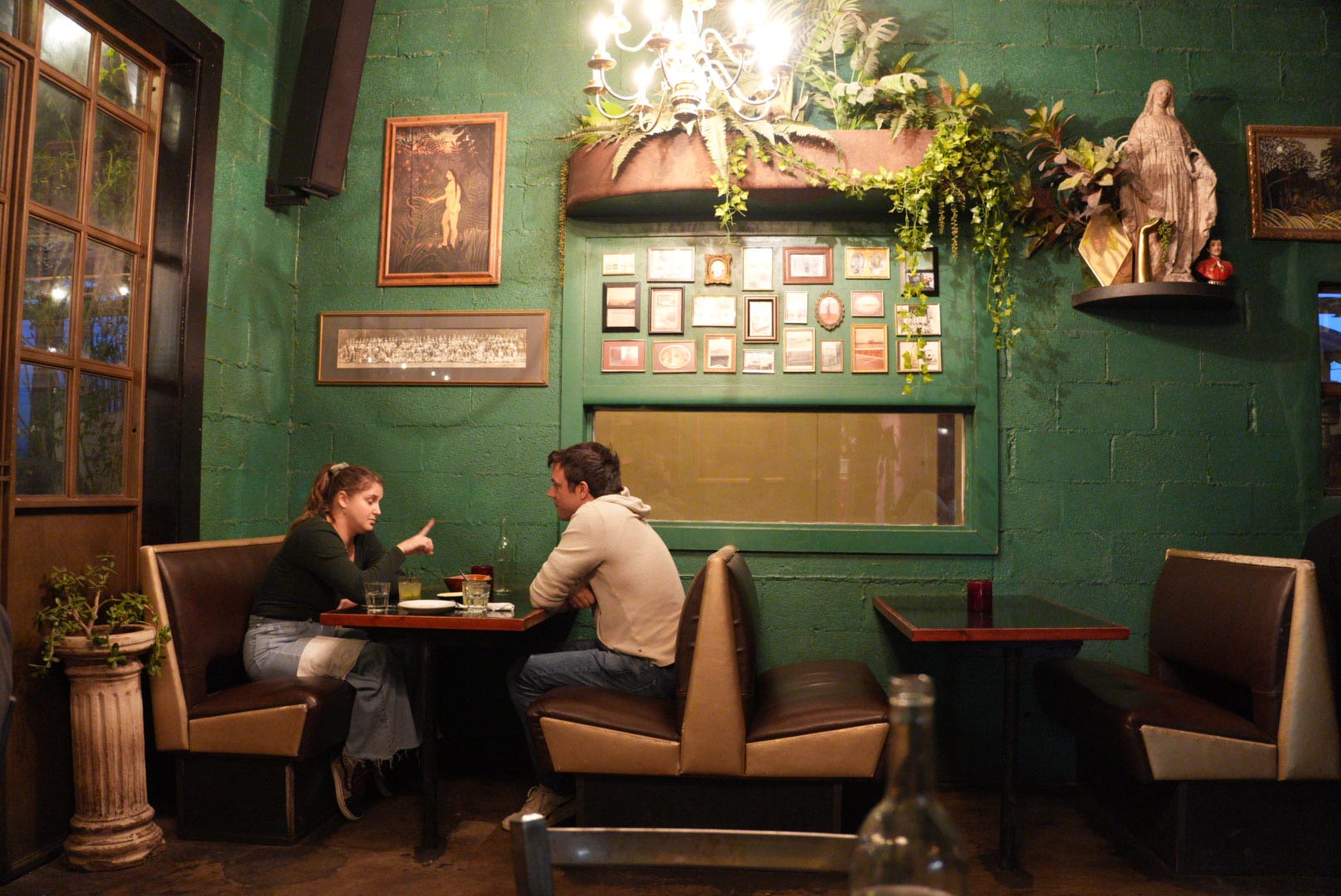
The Water Stop restaurant, so-named because Marfa was founded, in 1881, as a water stop for the Southern Pacific Railroad. The water was for the steam engines not the thirsty rail workers. The town is supposedly named after a character from a Dostoevsky novel, or possibly a Jules Verne play. Like many things in Marfa, facts are tough to pin down, but that doesn’t seem to bother Marfans, who thrive on ambiguity.

The now-iconic Prada Marfa (actually some 30 miles from town) is meant to poke fun at consumer culture. The fake store does so deliciously, but lately it’s become an Instagram destination. I saw several people posing for selfies in front of Prada Marfa, apparently oblivious to the irony of replacing one lazy meme with another. Life imitating art imitating life. Very meta. Very Marfa.
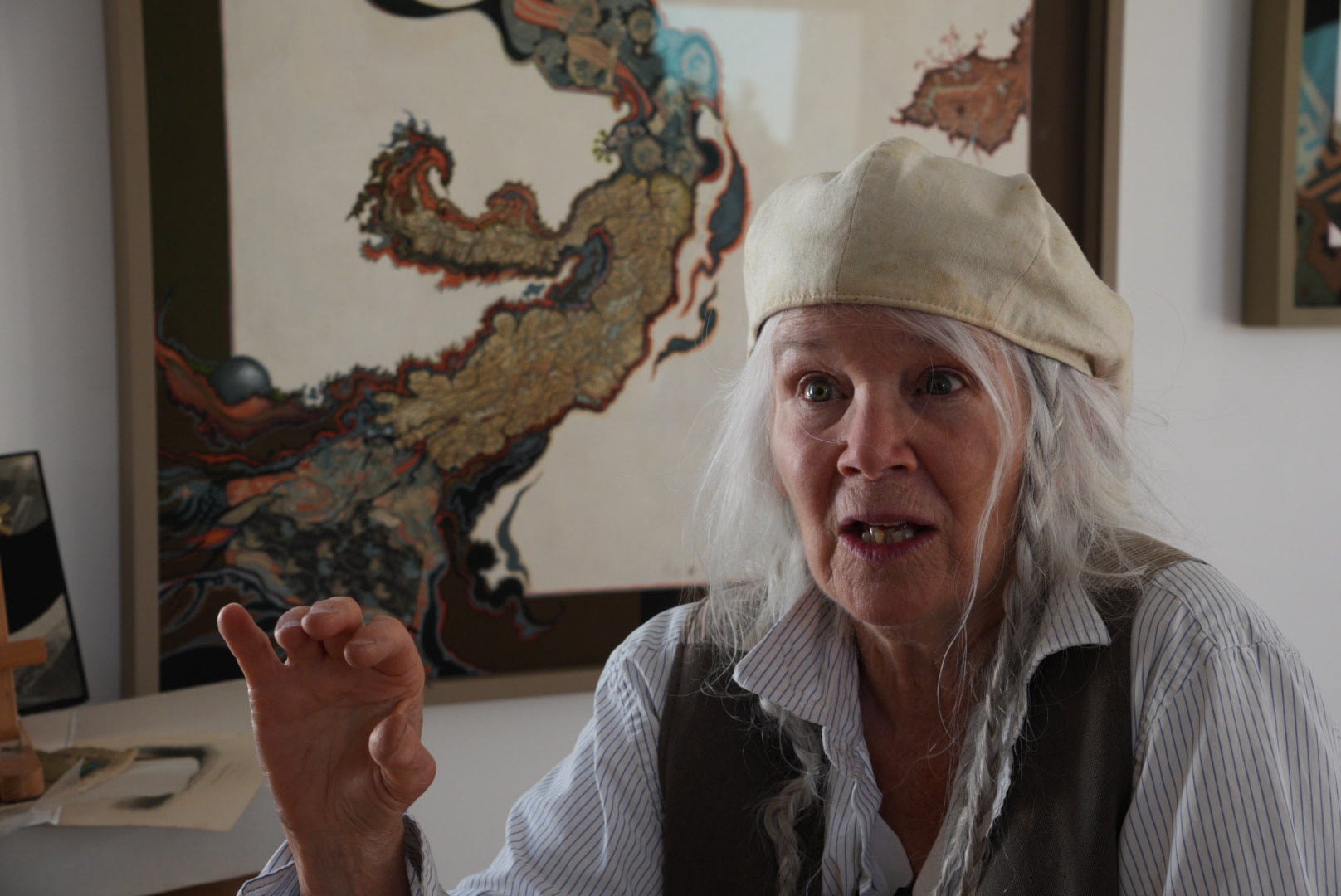
Local artist Julie Speed moved to Marfa decades ago and hasn’t looked back. A refugee of the art scenes in Santa Fe and Austin, she’s grown fond of the harsh West Texas climate, and appreciates the silence. “For me, silence is like food,” she told me. “I can’t live without it.”


They love their animals in Marfa. At Planet Marfa, a local watering hole, all species are welcome.
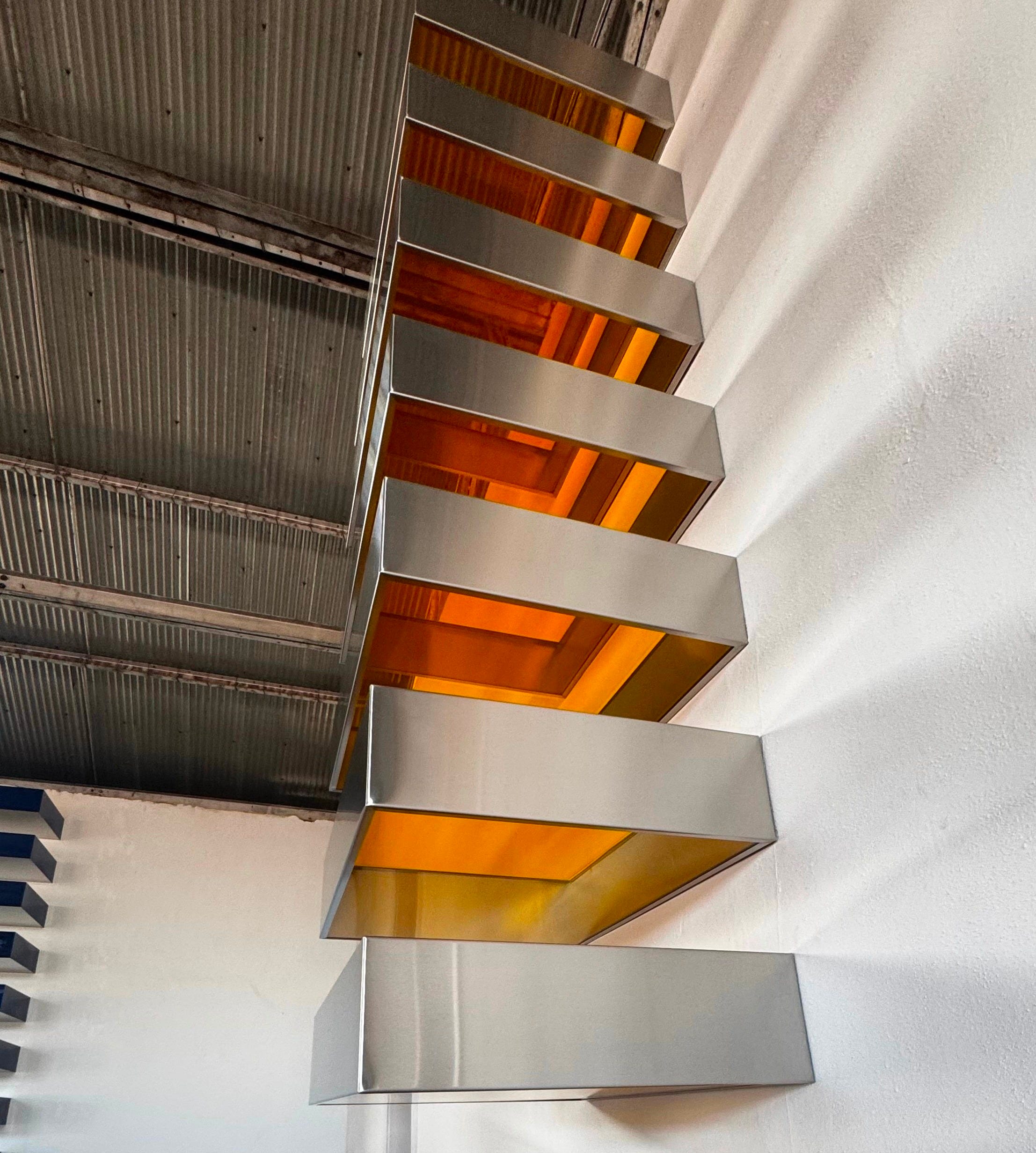
One of artist Donald Judd’s installation pieces. Judd, who lived and worked here from 1973 to 1994, found in Marfa a place that spoke to him and was the perfect fit for his idiosyncratic art. Many of his artist friends soon followed. It’s no exaggeration to say that Donald Judd made Marfa Marfa.
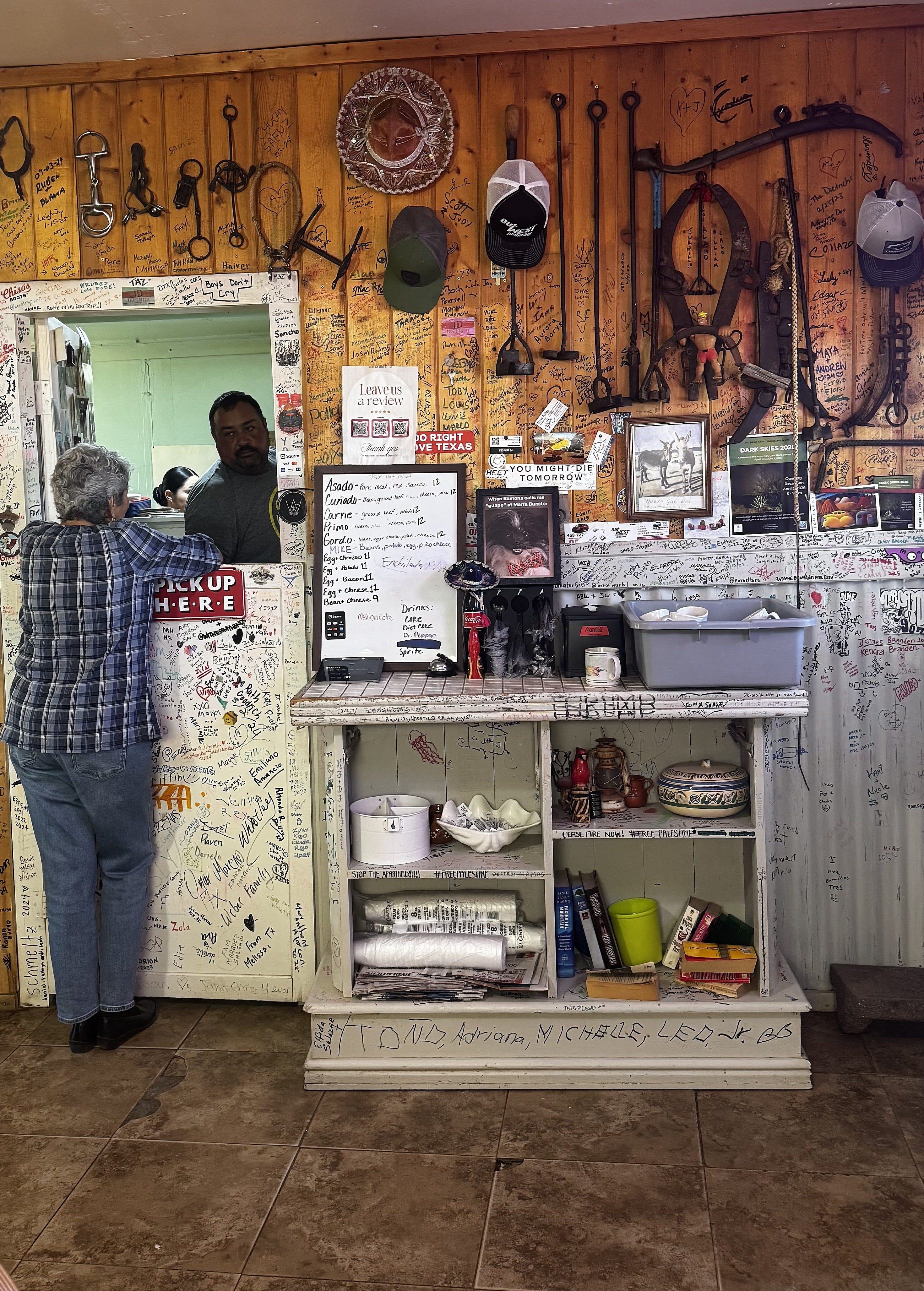
Marfa Burritos is a local institution. The burritos are good (I recommend the El Primo) but the real draw is the atmosphere: a wonderfully random collection of cowboy hats, stirrups and graffiti. The walls are also adorned with photos of Mathew McConaughey, Anthony Bourdain and other celebrities who have dropped by.
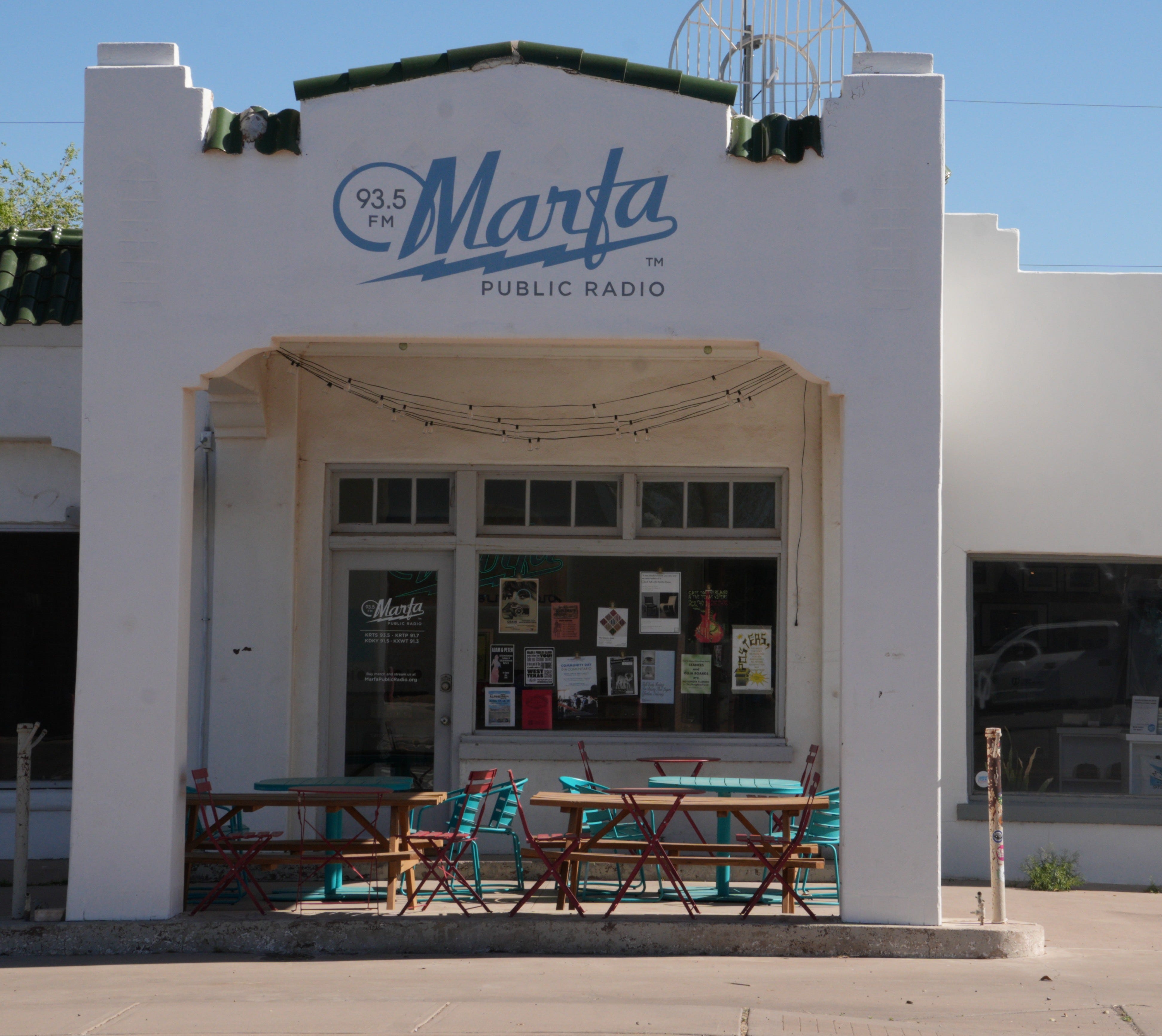
The little NPR station that could. Marfa Public Radio, founded in 2006, is thriving. In addition to covering local news, the station produces fun podcasts like Marfa for Beginners and Desert Dispatch.
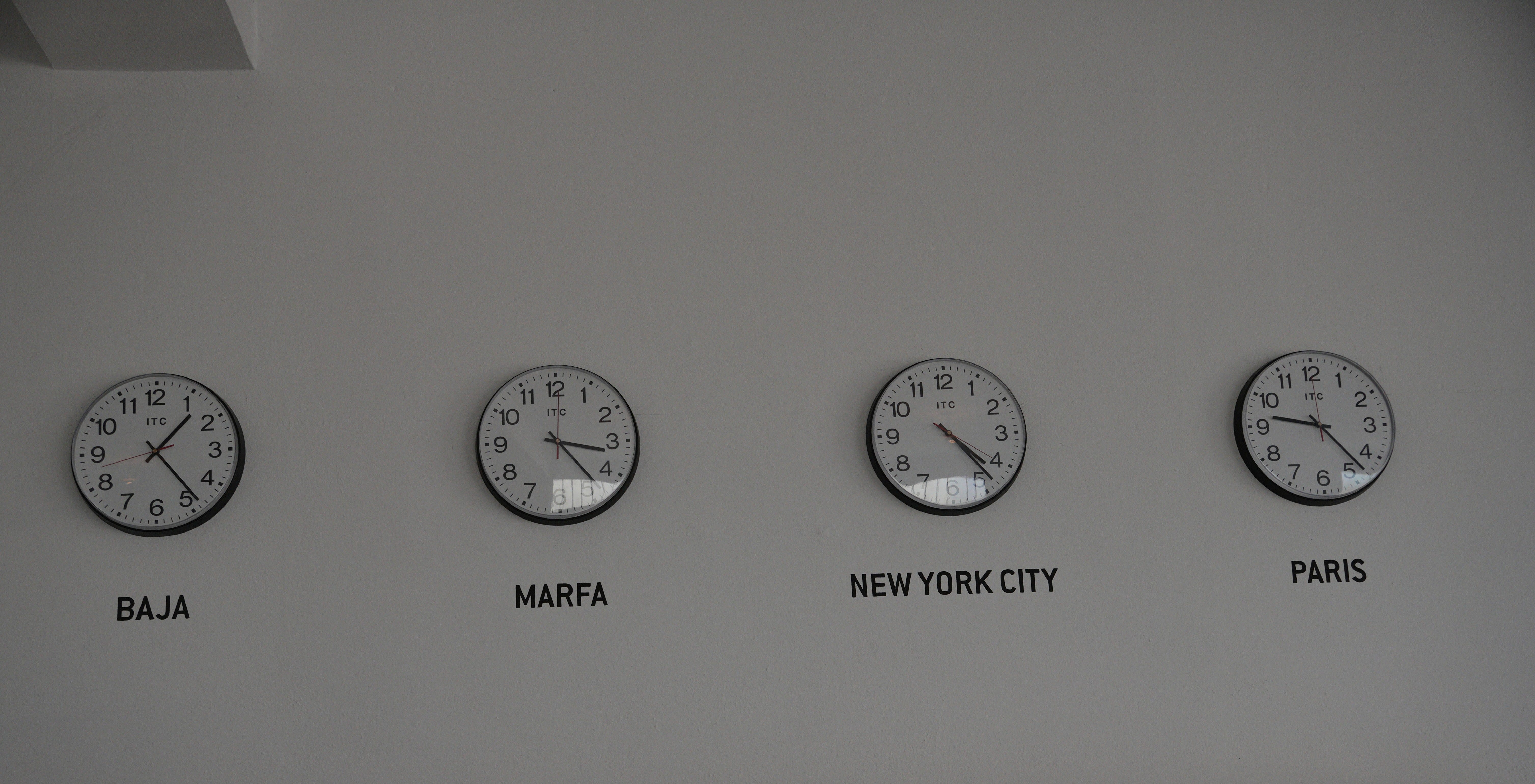
What Henry James once said of Concord, Massachusetts, applies equally to Marfa. It is “the biggest little town in America.” With a population of only 1,600, Marfa punches well above its weight, and looks beyond Texas for kindred spirits. Marfa has served as a backdrop for several Hollywood movies, including The Andromeda Strain (1971), There Will Be Blood (2007), and No Country for Old Men (2007). In the latter film, local banker Chip Love has a small role. As he proudly told me, “I was the first person to die in that film.”


The town has a refreshingly analog vibe. I noticed markedly fewer people staring at their smart phones here. I met several people who don’t own one. That’s not something you could easily get away with in New York or Dallas, but in Marfa no one gives it a second thought.
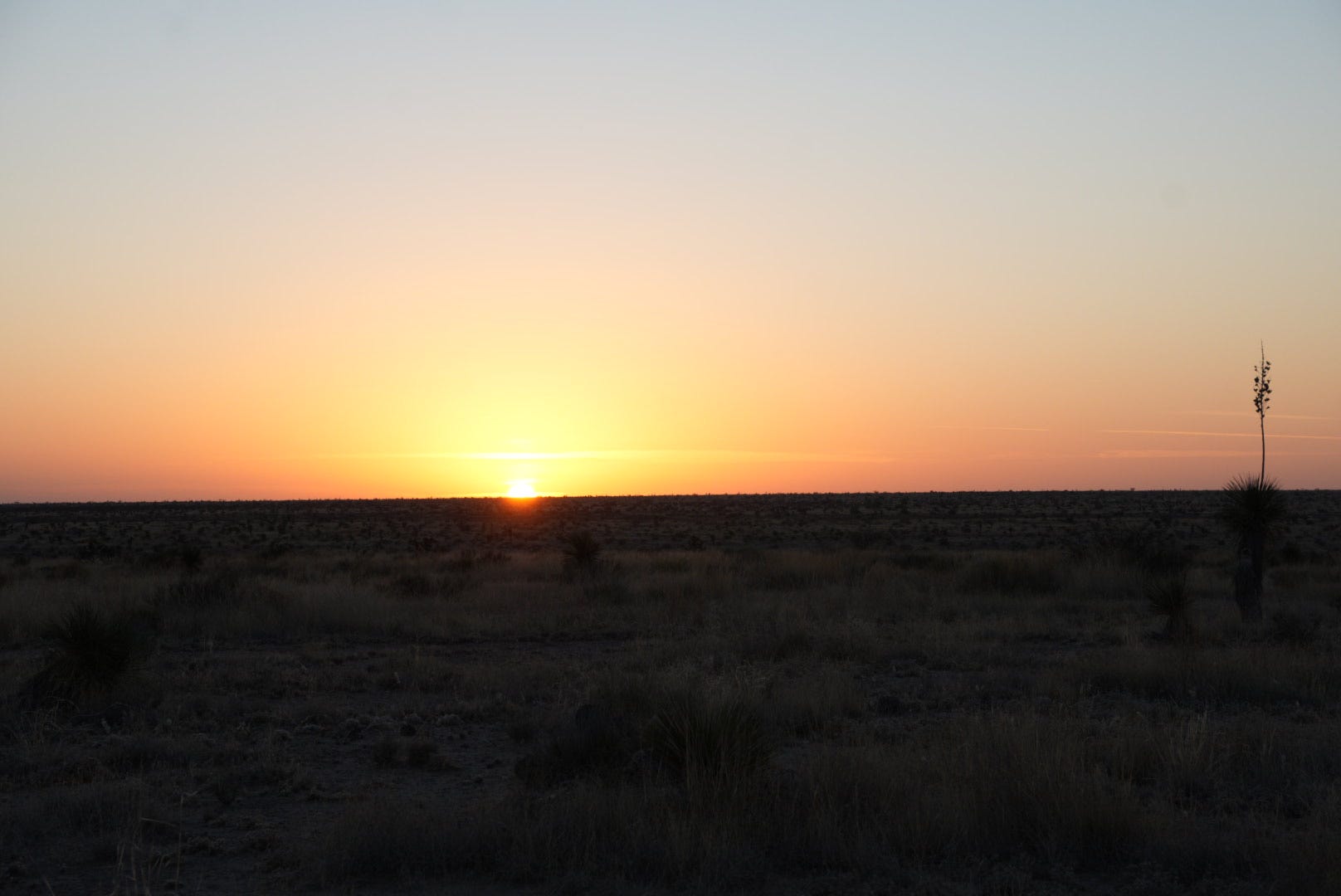
Roswell, New Mexico has UFOs. Sedona, Arizona has energy vortexes. Marfa has the Marfa Mystery Lights. Described by those who have seen them as orbs of light that appear, disappear, and seemingly “chase” one another. In 2004, a group of physics students from the University of Texas at Dallas conducted a study and concluded the phenomena is actually car headlights from a nearby highway. Locals remain skeptical of this explanation, though; the first recorded sighting of the lights dates back to 1883, when a rancher named Ralph Ellison spotted them while herding cattle. One evening, I swear I saw the lights, but my camera says otherwise. Just another Marfan mystery, I suppose.
I have felt for a while that you and I are on similar photographic paths. After many moons of shooting current affairs video as a one-woman band in various far-flung locals, along with teaching myself professional editing (which has paid a lot of bills) I have become a born-again photographer.
A great little taster of a place I've never heard of, but now want to visit! I love these kinds of places although, sadly, I've yet to find many here in Scotland.